Discover the world’s most extraordinary wildlife experiences through the lens of luxury expedition cruising
The world of expedition cruising has witnessed unprecedented growth in 2024, with cruise ships welcoming 34.6 million passengers, marking a 9 percent increase from the previous year. This surge reflects our growing hunger for transformative wildlife encounters in Earth’s most pristine environments. These experiences go far beyond traditional tourism—they’re life-changing moments that forge deep connections with our planet’s most remarkable creatures.
The Magic of Expedition Wildlife Encounters
Before we dive into the top 10 encounters, let’s explore what makes expedition cruising so special for wildlife enthusiasts. Unlike traditional cruises that focus on entertainment and relaxation, expedition cruises are designed around one primary goal: getting you as close as possible to nature’s most spectacular displays while maintaining the highest standards of luxury and safety.
“The beauty of expedition cruising lies in its ability to transport guests to places where wildlife thrives undisturbed, creating encounters that simply cannot be replicated anywhere else on Earth,” says Dr. Sarah Mitchell, Marine Biologist and Expedition Leader with over two decades of polar experience.
1. Emperor Penguin Colonies in Antarctica: The Ultimate Polar Pilgrimage
The Crown Jewel of Antarctic Wildlife
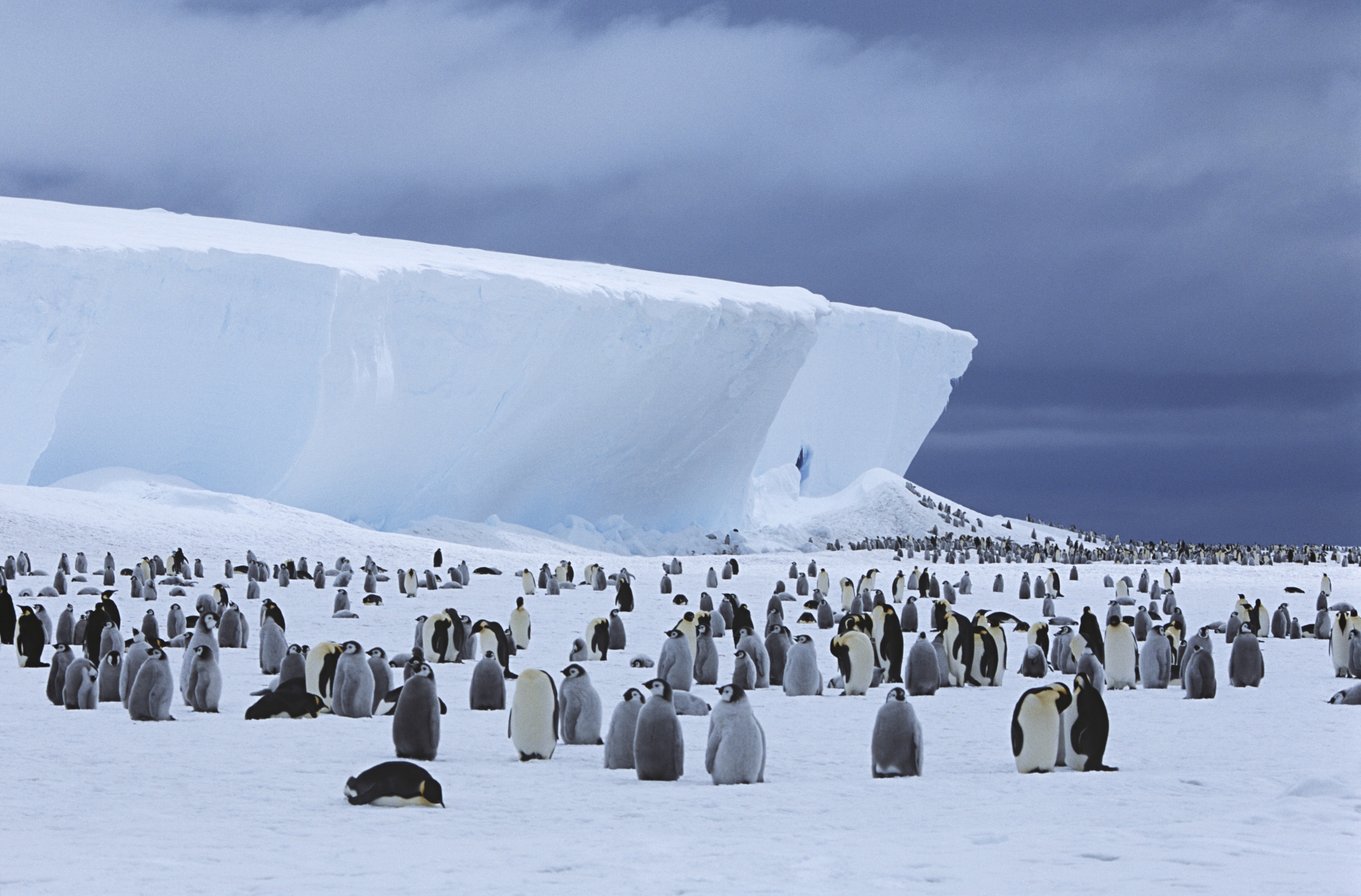
Standing among emperor penguins in their natural habitat isn’t just a wildlife encounter—it’s a spiritual experience. These magnificent birds, standing up to four feet tall, inhabit some of the most remote regions on Earth, accessible only through specialized expedition cruises equipped with helicopters.
Quark Expeditions‘ Ultramarine offers exclusive access to the Snow Hill Island emperor penguin colony, home to more than 4,000 breeding pairs. Their helicopter-supported expeditions have maintained a 95% success rate for emperor penguin encounters over the past five seasons.
The breeding cycle creates year-round opportunities for observation. During Antarctic summer (November-February), witness adults caring for their fluffy gray chicks. The dramatic courtship rituals occur during the harsh winter months, when these remarkable birds huddle together against temperatures that can drop to -40°F.
What Makes This Encounter Special:
- Exclusivity: Only 2,000-3,000 people per year experience emperor penguin encounters
- Accessibility: Helicopter transport eliminates the need for arduous overland journeys
- Photography: Unparalleled opportunities for close-up wildlife photography
- Conservation Impact: Visits support ongoing research and conservation efforts
2. Polar Bear Encounters in the Arctic: Meeting the Ice King
Svalbard: The Polar Bear Capital
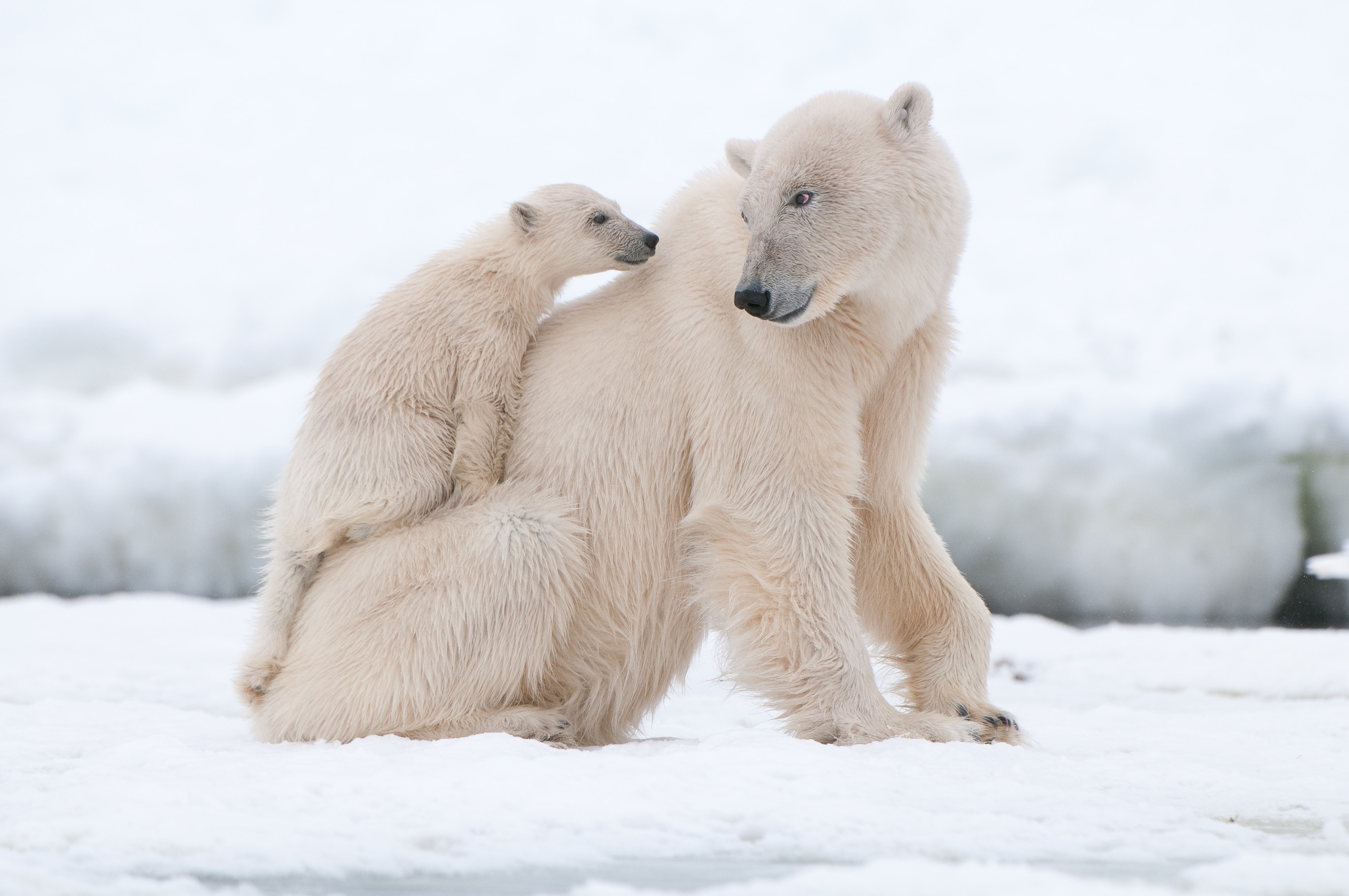
The Arctic’s apex predator provides one of the most thrilling wildlife encounters available on expedition cruises. Svalbard archipelago, located between 74° and 81° north latitude, offers the highest concentration of polar bears in the Arctic, making it the premier destination for polar bear expeditions.
Lindblad Expeditions‘ National Geographic Explorer reports polar bear encounter success rates exceeding 90% on their Svalbard circumnavigation cruises, with some expeditions recording over 50 bears during a single 10-day voyage.
The optimal viewing season extends from May through September, with each month offering different behavioral observations. Early season encounters often feature bears hunting on sea ice, while summer sightings include mothers with cubs exploring the tundra.
Safety First: Modern expedition cruises maintain strict safety protocols, with expert naturalist guides trained in bear behavior and equipped with deterrent devices. The “no disturbance principle” ensures both guest safety and wildlife protection.
Why This Encounter Is Unforgettable:
- Apex Predator: Witnessing the Arctic’s top predator in its natural habitat
- Behavioral Diversity: From hunting to playing to caring for cubs
- Conservation Awareness: Understanding climate change impacts firsthand
- Photographic Opportunities: Stunning Arctic landscapes with magnificent wildlife
3. Galápagos Marine Iguana Encounters: Darwin’s Living Laboratory The World’s Only Marine Lizard
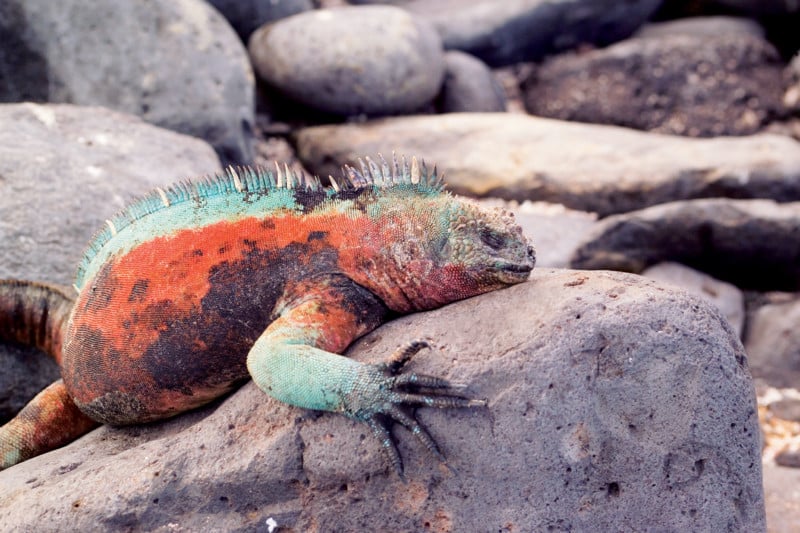
The Galápagos Islands harbor the world’s only marine lizard, making encounters with marine iguanas truly unique. These remarkable reptiles, found exclusively in the Galápagos archipelago, represent one of evolution’s most extraordinary adaptations to marine life.
Celebrity Cruises’ Celebrity Flora offers daily encounters with marine iguanas at Fernandina Island’s Punta Espinosa, which hosts the largest congregation of these unique reptiles. During breeding season (December-April), guests witness dramatic territorial battles as males compete for prime nesting sites.
The accessibility of marine iguanas makes them particularly appealing to expedition cruise passengers. Unlike many wildlife encounters that require significant luck and timing, marine iguanas are visible year-round and often approach visitors with curiosity.
“Marine iguanas are living proof of evolution in action. Watching them dive up to 30 feet underwater to graze on algae, then emerge to bask in the sun while expelling salt through specialized glands, never fails to amaze our guests,” explains Carlos Romero, Certified Galápagos Naturalist Guide.
Unique Behaviors to Observe:
- Salt Sneezing: Specialized glands expel excess salt
- Synchronized Basking: Hundreds of iguanas warming themselves on volcanic rocks
- Marine Foraging: Underwater feeding on algae and seaweed
- Territorial Displays: Dramatic head-bobbing and color changes during breeding season
4. King Penguin Colonies in South Georgia: The Penguin Paradise
Half the World’s King Penguins in One Location
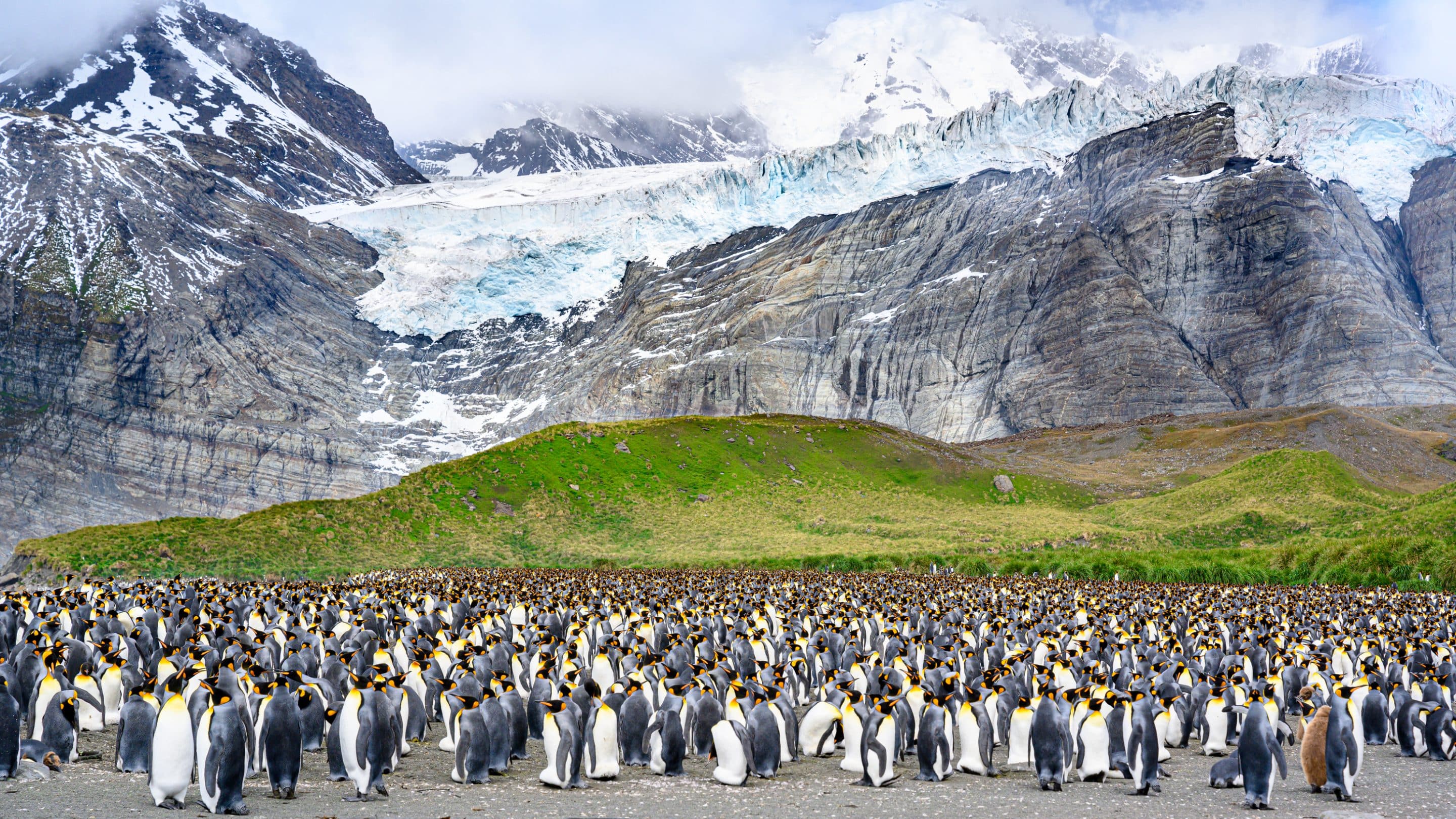
South Georgia Island hosts approximately 450,000 pairs of king penguins, representing half the world’s population across more than 30 colonies. The island’s proximity to the Antarctic Convergence creates ideal feeding conditions, with nutrient-rich waters supporting the squid, krill, and lanternfish that comprise the king penguin’s diet.
Hurtigruten’s MS Roald Amundsen offers landings at St. Andrews Bay, which hosts the largest colony with 150,000 pairs, and Salisbury Plain, home to about 60,000 breeding pairs. The extended 14-month breeding cycle ensures year-round colony occupation.
The spectacular sight of hundreds of thousands of penguins set against South Georgia’s dramatic mountain backdrop creates one of the most photographically rewarding wildlife encounters available.
Conservation Success: “South Georgia represents one of the greatest conservation success stories of our time. The eradication of invasive species has allowed native wildlife populations to recover dramatically,” notes Dr. Rebecca Thompson, South Georgia Heritage Trust Conservation Director.
What Makes This Special:
- Scale: Largest concentration of king penguins on Earth
- Accessibility: Multiple landing sites with varying colony sizes
- Photography: Dramatic mountain backdrops enhance wildlife photography
- Conservation Story: Witness successful ecosystem restoration
5. Swimming with Orcas in Norway: The Ultimate Marine Encounter
Arctic Orca Aggregations
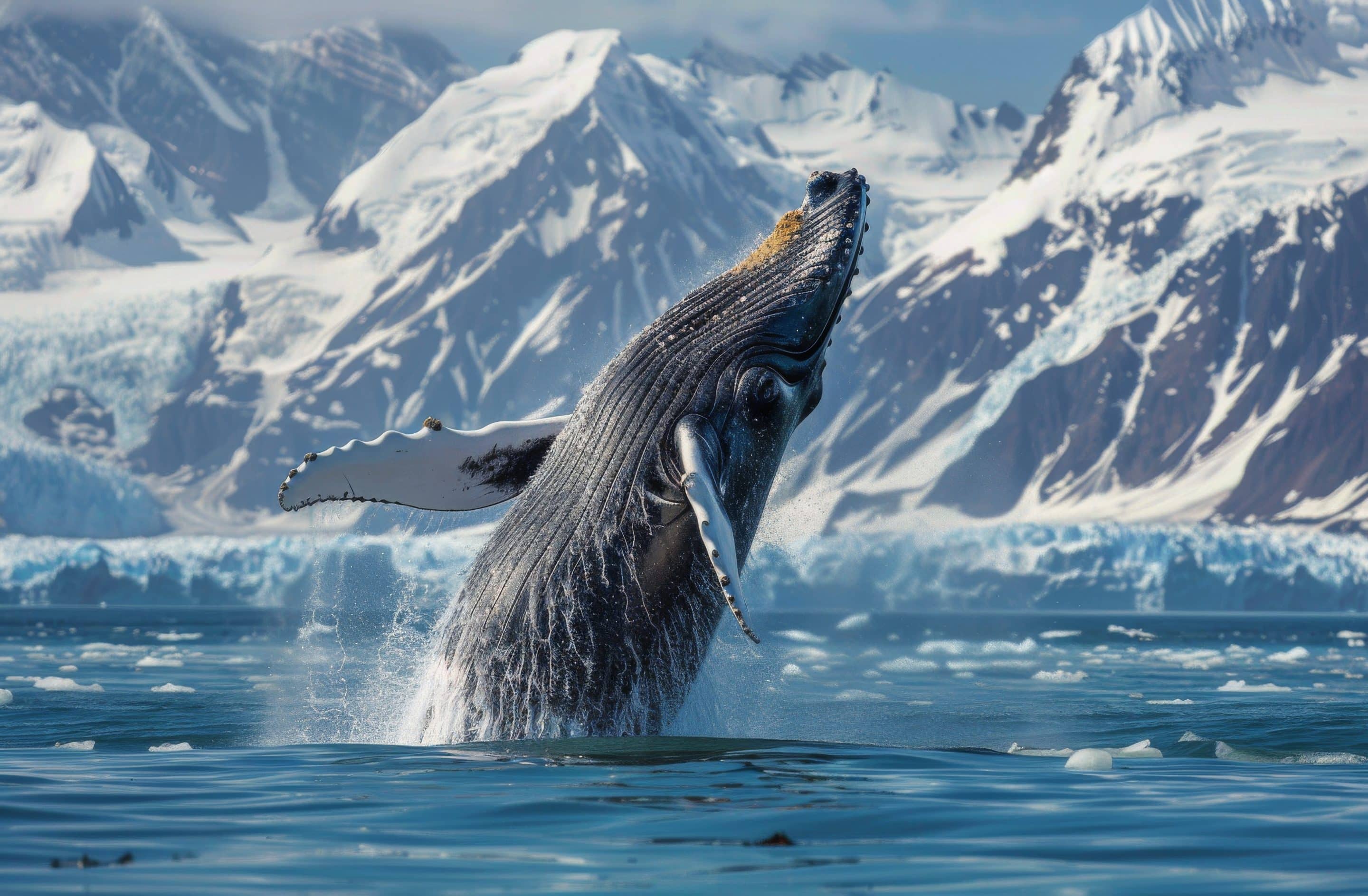
Northern Norway, particularly the Troms and Finnmark regions, hosts the world’s largest gathering of orcas from late October to mid-January. The annual herring migration draws massive pods of orcas into the fjords, creating predictable viewing opportunities with as many as 50-60 orcas observed simultaneously
Waterproof Expeditions‘ specialized orca swimming programs maintain 100% in-water encounter rates over multiple seasons, accommodating small groups of 12 guests for intimate encounters with these magnificent marine mammals.
The deep, sheltered fjords provide ideal conditions for both orca hunting behavior and safe human observation. These expeditions also offer opportunities to see humpback, fin, and occasionally sperm whales in the same waters.
Expert Perspective: “Swimming with orcas in their natural environment is the closest thing to a religious experience I’ve encountered in 20 years of marine biology. The intelligence and curiosity they display toward humans is simply extraordinary,” shares Dr. Magnus Andersen, Marine Mammal Specialist.
Why This Encounter Is Unmatched:
- Predictability: Seasonal herring migration ensures consistent sightings
- Intimacy: Small group sizes for personal encounters
- Behavior: Witness cooperative hunting strategies
- Setting: Stunning Arctic fjord scenery
6. Amazon Pink Dolphin Interactions: Mystical River Encounters
The Amazon’s Gentle Giants
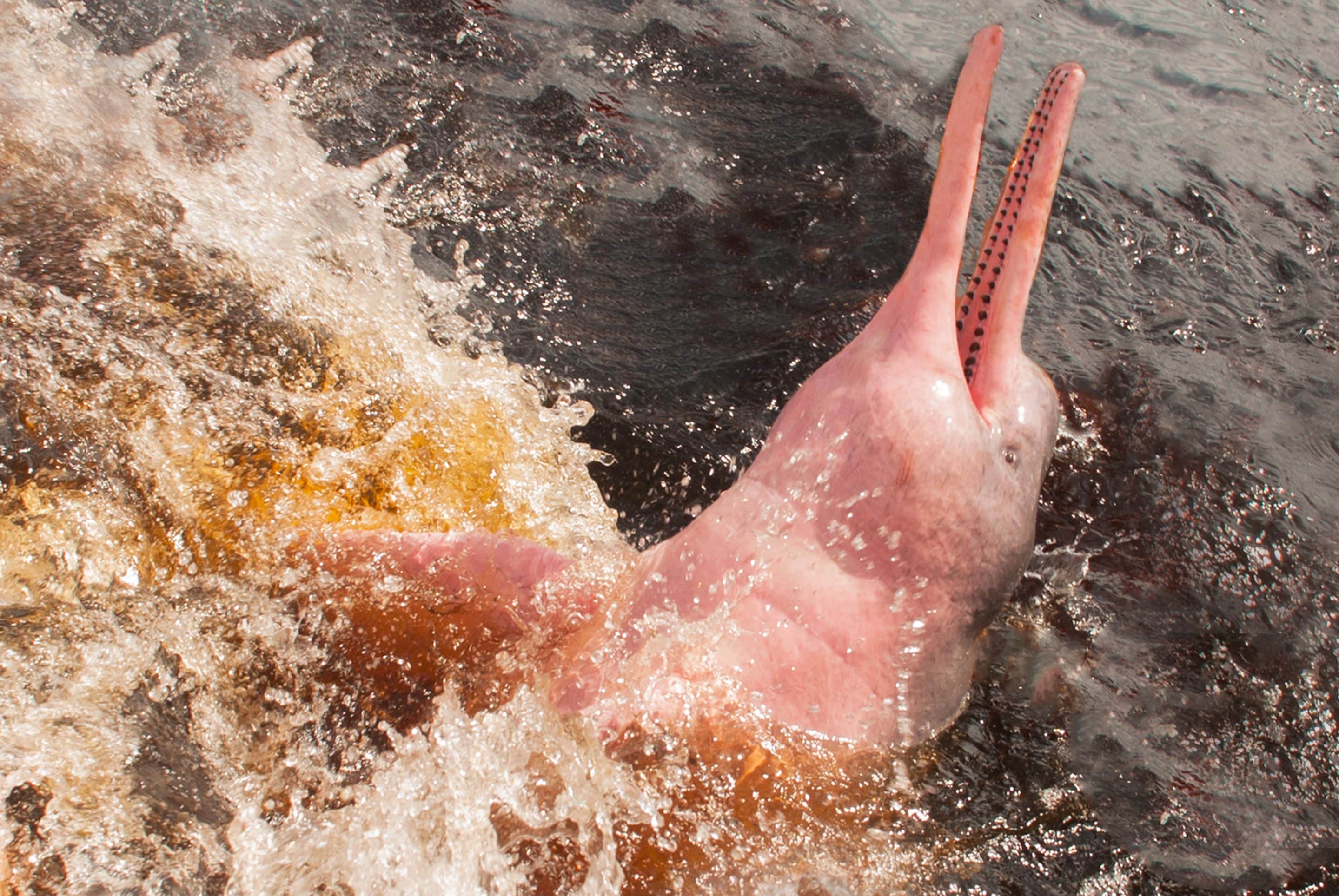
The Amazon River system harbors the world’s largest freshwater dolphin, the pink river dolphin (Inia geoffrensis), creating unique opportunities for wildlife encounters in South America’s pristine waterways. These intelligent creatures, reaching lengths of up to 14.5 feet, are known for their playful and sociable behavior.
Aqua Expeditions’ Aqua Nera offers specialized pink dolphin encounter programs in the Pacaya-Samiria National Reserve. The Martinica community in the Cocaya region has developed a conservation program where local guides use traditional methods to attract dolphins close to observation platforms.
The mystical reputation of pink dolphins in Amazonian culture adds cultural depth to these wildlife encounters. Local tribes share incredible stories of dolphins saving drowning people, emphasizing the deep connection between indigenous communities and these remarkable creatures.
Cultural Connection: “Pink dolphins are considered sacred by many Amazonian communities. Our encounters respect these beliefs while providing guests with profound connections to both wildlife and indigenous culture,” explains Maria Santos, Aqua Expeditions’ Amazon Naturalist.
Unique Aspects:
- Freshwater Habitat: Only place to encounter large freshwater dolphins
- Cultural Significance: Deep connections to indigenous mythology
- Conservation Impact: Supports local community conservation efforts
- Behavioral Observations: Highly intelligent and curious interactions
7. Whale Shark Encounters in Indonesia: Swimming with Giants
The World’s Largest Fish
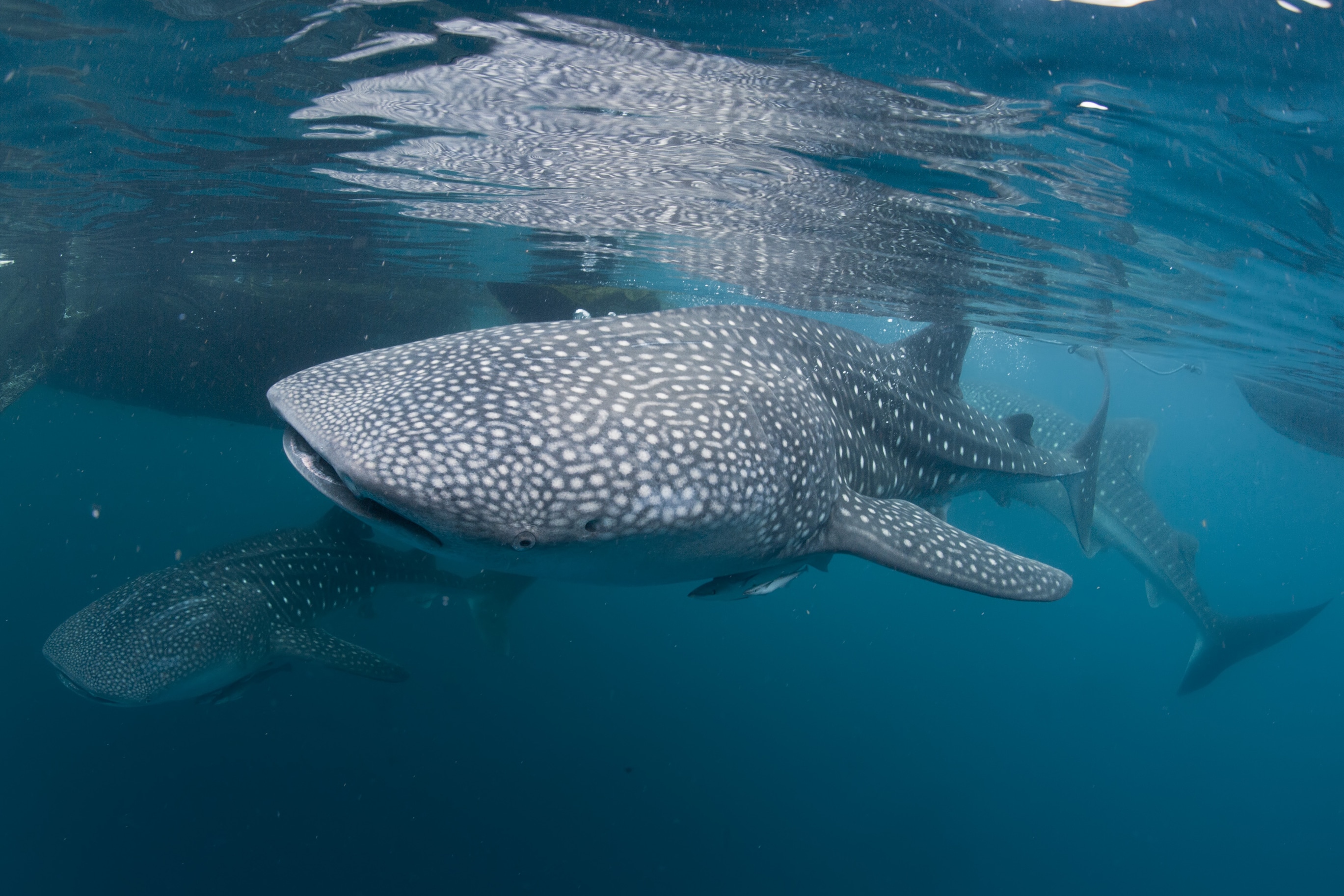
The waters around Indonesia’s Komodo National Park provide exceptional opportunities for whale shark encounters, with these gentle giants reaching lengths comparable to city buses. Saleh Bay, near Sumbawa, offers some of the most reliable whale shark sightings in the world.
Aqua Expeditions’ Aqua Blu offers specialized whale shark encounter programs as part of their Bali-Komodo National Park itineraries. These expeditions require early morning departures but provide once-in-a-lifetime opportunities to snorkel with the world’s largest fish while sunrise illuminates the surrounding mountain ranges.
The combination of whale shark encounters with visits to see Komodo dragons creates a unique dual wildlife experience available nowhere else on Earth.
Marine Biologist Insight: “Whale sharks are filter feeders, completely harmless to humans. Swimming alongside these magnificent creatures provides perspective on the incredible diversity of marine life that expedition cruising can access,” notes Dr. Ketut Sarjana, Marine Conservation Indonesia.
What Makes This Extraordinary:
- Size: Swimming with the world’s largest fish
- Reliability: High success rates in Saleh Bay
- Dual Experience: Combined with Komodo dragon encounters
- Conservation: Supports marine protected area initiatives
8. Arctic Fox and Beluga Whale Encounters in Svalbard: Complete Arctic Ecosystem
Terrestrial and Marine Arctic Wildlife
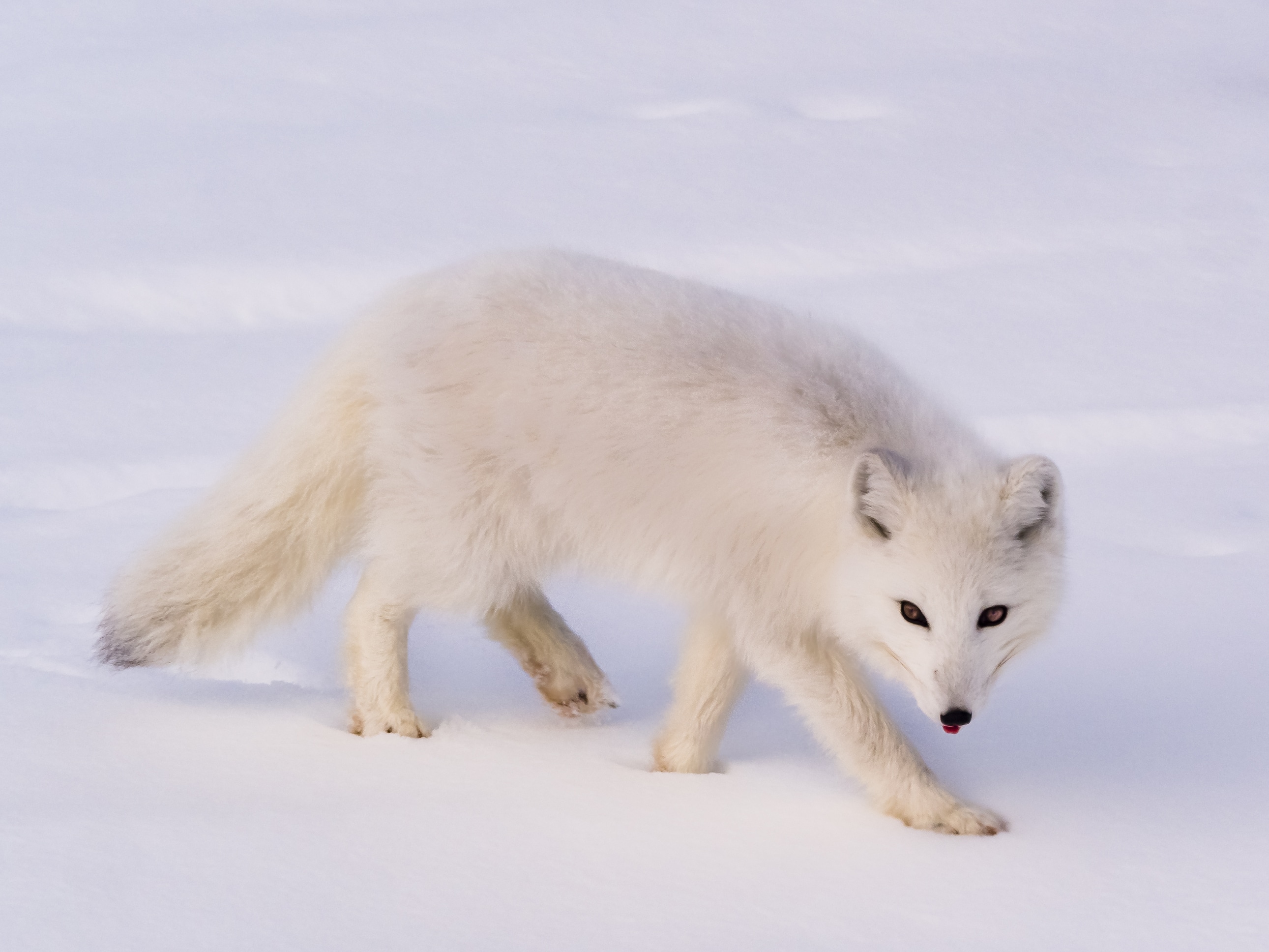
Svalbard’s pristine Arctic environment supports thriving populations of Arctic foxes, which, while endangered in mainland Norway, flourish in this protected archipelago. These adaptable predators, along with Svalbard reindeer that have inhabited the region for 5,000 years, create exceptional terrestrial wildlife viewing opportunities.
Ponant’s Le Commandant Charcot utilizes advanced hydrophone technology to enhance beluga whale experiences, allowing guests to listen to the distinct whistles, clicks, and calls that have earned these whales their “sea canary” nickname.
The surrounding Arctic waters host several whale species, including beluga whales, most commonly encountered during Arctic summer months (July-September) when these highly social mammals gather in large pods.
Arctic Specialist Perspective: “Svalbard represents one of the last pristine Arctic ecosystems. The combination of terrestrial and marine wildlife encounters provides guests with comprehensive understanding of Arctic biodiversity,” explains Dr. Lars Eriksson, Arctic Wildlife Specialist.
Comprehensive Arctic Experience:
- Terrestrial Wildlife: Arctic foxes, Svalbard reindeer, polar bears
- Marine Mammals: Beluga whales, walruses, seals
- Acoustic Experience: Hydrophone technology for whale vocalizations
- Ecosystem Understanding: Complete Arctic food web observations
9. Sea Turtle Nesting Encounters in Costa Rica: Ancient Rituals
Witnessing Prehistoric Behaviors
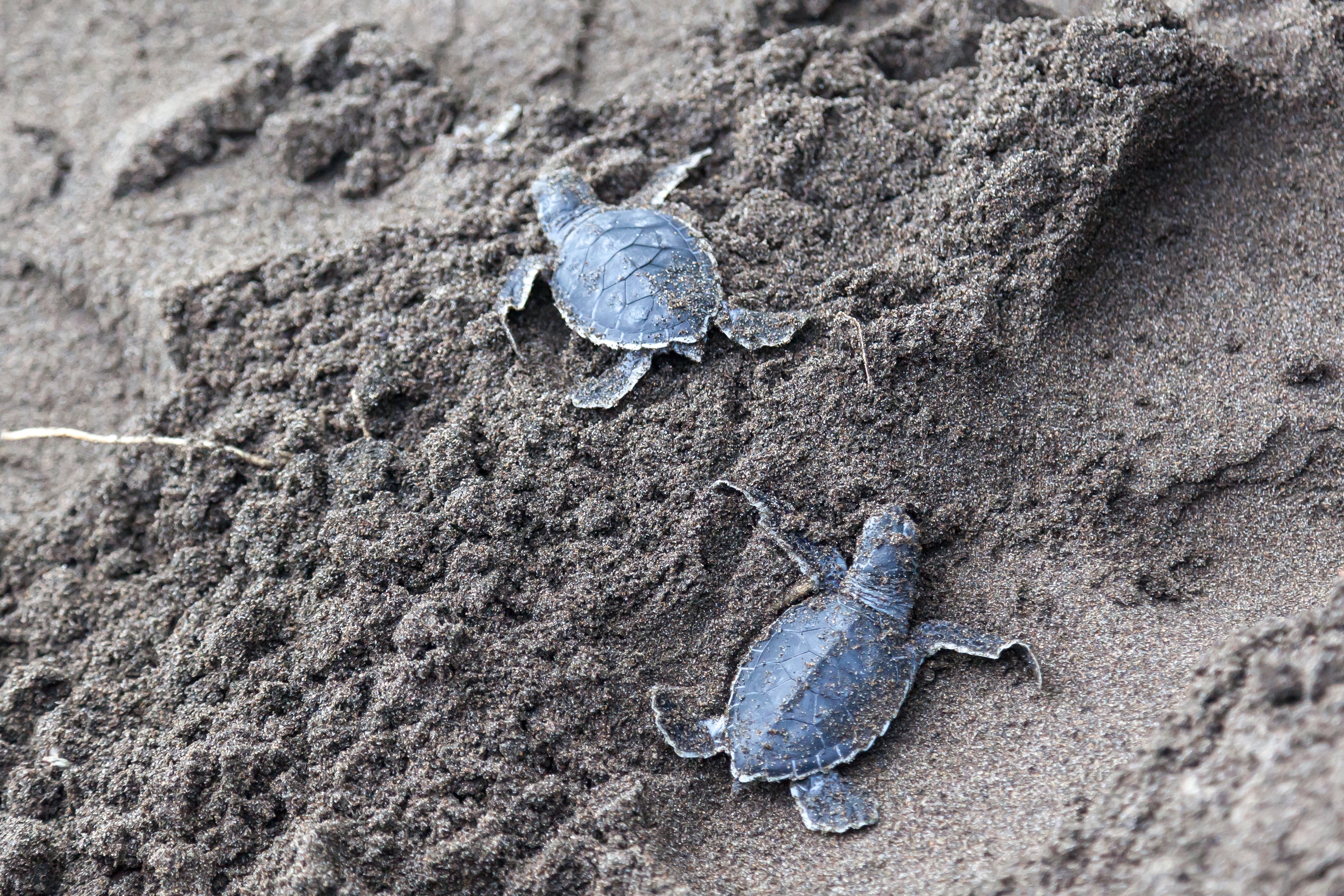
Costa Rica’s Pacific coast, particularly the Nicoya Peninsula, provides exceptional opportunities to witness sea turtle nesting and hatching events. Four sea turtle species nest along Costa Rica’s beaches, including the massive leatherback turtles at Playa Grande.
UnCruise Adventures’ Safari Voyager offers carefully managed encounters with nesting sea turtles, typically conducted between dusk and midnight during peak nesting seasons from June through January. These experiences require absolute silence and darkness to avoid disturbing the turtles.
The synchronized nesting events, known as arribadas, can last two to eight days, with large-scale hatching events involving millions of baby sea turtles making their way to the sea.
Conservation Impact: “Sea turtle encounters support crucial conservation efforts. Costa Rica’s sea turtle population has declined by 90% over the past 35 years, making these encounters both magical and critically important for species survival,” states Dr. Carmen Rodriguez, Sea Turtle Conservancy.
Why This Encounter Matters:
- Ancient Behavior: Witnessing 100-million-year-old nesting rituals
- Conservation Urgency: Supporting critically endangered species
- Emotional Impact: Watching baby turtles reach the ocean
- Scientific Value: Contributing to population monitoring
10. Narwhal Encounters in the Canadian Arctic: The Unicorn of the Sea
The Most Elusive Arctic Encounter
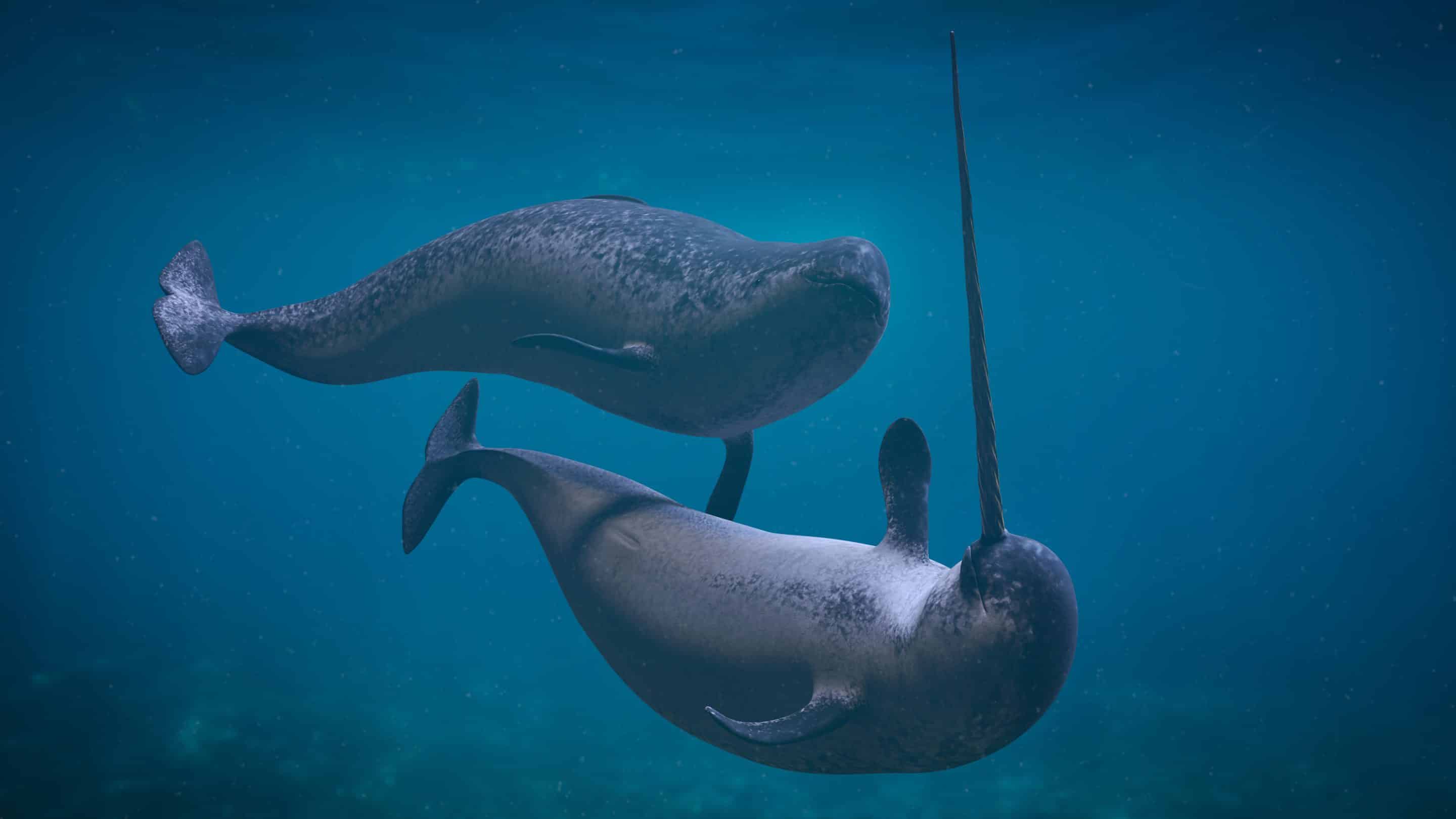
The narwhal, known as the “unicorn of the sea,” represents one of the most elusive and magical wildlife encounters available on expedition cruises. These Arctic cetaceans, distinguished by the male’s long, spiraled tusk, inhabit the remote waters between Greenland and the Canadian Arctic Archipelago
Lindblad Expeditions recently documented an extraordinary narwhal encounter during a Northwest Passage voyage aboard the National Geographic Resolution, where guests experienced close proximity to these mythical creatures at water level using the ship’s Zodiac fleet.
Northwest Passage and Canadian High Arctic cruises offer the best opportunities for narwhal encounters, particularly during summer months from July through September. However, narwhal sightings require exceptional patience and favorable conditions.
Expedition Leader Insight: “Narwhal encounters are the holy grail of Arctic wildlife experiences. These deep-diving whales are notoriously shy, making successful encounters incredibly rewarding for both guests and expedition staff,” shares Captain Heidi Norling, Lindblad Expeditions.
The Ultimate Arctic Challenge:
- Rarity: Most elusive Arctic marine mammal
- Mystique: The “unicorn of the sea” reputation
- Specialized Knowledge: Expert guides essential for success
- Remote Location: Accessible only through expedition cruising
The Future of Wildlife Expedition Cruising
Conservation Through Tourism
Modern expedition cruising has evolved far beyond simple wildlife viewing, incorporating significant conservation and education components. The industry has embraced sustainable practices with 88% of travelers expressing desire for their tourism dollars to support planetary protection.
Leading expedition cruise lines now implement renewable energy sources, waste reduction programs, and citizen science initiatives. The integration of expert naturalists, marine biologists, and conservation specialists onboard creates educational opportunities that extend far beyond wildlife observation.
Industry Leadership: “The expedition cruise industry’s commitment to the ‘no disturbance principle’ ensures that wildlife encounters remain sustainable for future generations. We’re not just showing guests incredible wildlife—we’re creating conservation ambassadors,” emphasizes Jennifer Hayes, International Association of Antarctica Tour Operators (IAATO) Executive Director.
Citizen Science and Conservation Impact
Programs like Lindblad’s National Geographic Explorers Program and Viking’s citizen science workshops engage passengers in active conservation research. These initiatives include:
- Whale Tracking: Tagging and monitoring whale populations
- Microplastics Research: Collecting water samples for pollution studies
- Shark Conservation: Supporting population studies and protection efforts
- Climate Monitoring: Contributing to long-term environmental data collection
Planning Your Wildlife Expedition
Choosing the Right Experience
When selecting an expedition cruise for wildlife encounters, consider these factors:
Seasonality: Each destination has optimal wildlife viewing seasons
Group Size: Smaller groups provide more intimate encounters
Expertise: Look for naturalist guides with advanced degrees and field experience
Conservation Commitment: Choose operators with strong environmental policies
Equipment: Ensure access to Zodiacs, kayaks, and specialized gear
What to Expect
Expedition cruising differs significantly from traditional cruising:
- Flexible Itineraries: Weather and wildlife sightings drive daily schedules
- Active Participation: Landings, hiking, and water activities are standard
- Educational Focus: Lectures, workshops, and guided observations
- Small Ship Experience: Typically 100-200 passengers maximum
- All-Inclusive: Most meals, activities, and equipment included
Conclusion: More Than Just Wildlife Viewing
These ten once-in-a-lifetime wildlife encounters represent the extraordinary diversity of experiences available through carefully planned expedition cruises. From the icy realms of Antarctica to the lush Amazon rainforest, from Arctic waters to tropical islands, expedition cruising continues to evolve as the premier method for experiencing our planet’s most remarkable wildlife.
The growing popularity of expedition cruising, evidenced by the 9% increase in cruise passengers in 2024, reflects a global desire for meaningful travel experiences that combine adventure with education and conservation. These encounters create lasting connections between travelers and the natural world.
These experiences go beyond photography and social media posts—they create conservation ambassadors who return home with deeper understanding of our planet’s fragility and beauty. In an age of increasing environmental challenges, expedition cruising offers hope by demonstrating that sustainable tourism can support both wildlife conservation and human understanding of our incredible planet.
Ready to embark on your own wildlife expedition? The world’s most remarkable creatures are waiting to share their stories with you. Choose your adventure, pack your sense of wonder, and prepare for encounters that will change your perspective on our natural world forever. Contact our team today!
Related Posts


Latest posts
The Netherlands By Cruise There's something remarkable about the traveling to Netherlands vy cruise that [Read more...]
Multi-Generational Cruise Travel Looking ahead to 2026, multi-generational cruise travel is emerging as the perfect [Read more...]
Greek Islands Off the Beaten Path Are you ready to trade crowded Santorini selfie spots [Read more...]
Luxury Cruising in France: Where Every Stop Feels Like a Dream As travel lovers know, [Read more...]
Mediterranean by Sea: Glamour & Adventure Are you ready for Mediterranean glamour and adventure – [Read more...]
Planning a family cruise vacation can feel overwhelming with so many cruise lines competing for [Read more...]